
Robbin Givens
Robbin Givens is a freight and logistics editor at TwoWrongs. He writes practical, experience-based insights on air freight, sea freight, and supply chain decision-making, helping businesses understand how logistics works beyond the brochure.
Shipping companies are often discussed in simplified terms. They publish schedules, quote rates, and move containers from one port to another. But behind those visible touchpoints sits a system that is far more complex, constrained, and strategic than most cargo owners ever see.
This editorial looks at shipping companies as they actually function. Not as brands, not as rankings, and not as promises, but as operating systems shaped by infrastructure, capital, regulation, and global trade flows.
Shipping Companies Are Systems, Not Services
A shipping company is not simply a vessel operator. It is a network manager coordinating assets worth billions across multiple jurisdictions, time zones, and regulatory environments.
Every operational decision balances competing pressures:
Long-term fleet investment cycles
Short-term demand volatility
Alliance commitments and shared control
Port infrastructure that varies widely in reliability
Understanding shipping companies begins with recognising that their decisions are interconnected. A change in one trade lane rarely stays isolated. It often creates consequences elsewhere in the network.
Trade Lanes and Network Structure
Most shipping companies organise their operations around a limited number of core trade lanes. These routes define where capacity is prioritised and where flexibility exists.
Structural choices typically include:
Direct services versus transshipment models
Hub concentration versus route diversity
Feeder network dependency
Exposure to congested gateway ports
From a cargo perspective, these network decisions often matter more than fleet size or published service frequency. A well-aligned network can outperform scale when conditions tighten.
Capacity Management and Commercial Reality
Capacity is the primary lever shipping companies use to balance revenue and cost. How a carrier manages capacity directly influences rate stability, schedule reliability, and equipment availability.
Common mechanisms include:
Withdrawing sailings during demand softening
Slowing vessels to manage fuel consumption and emissions
Redeploying ships across regions
Relying on charter markets during peak cycles
These actions are rational within a carrier’s operating model, even when they create friction for shippers downstream.
Ports, Terminals, and Hidden Constraints
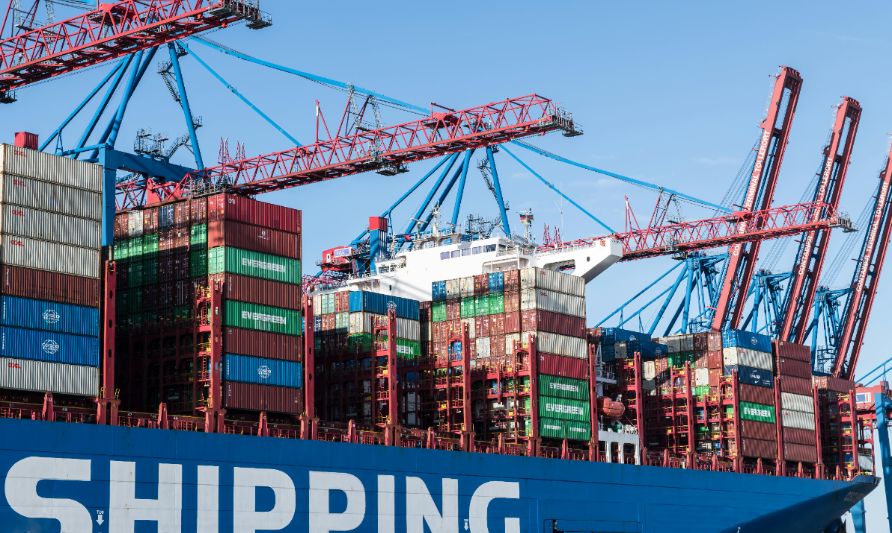
Ports and terminals are not interchangeable. Productivity, labour stability, yard capacity, and inland connectivity vary significantly between locations.
Shipping companies must choose where to call based on:
Berth availability and turnaround times
Congestion patterns
Industrial relations history
Regulatory efficiency
A carrier’s port strategy often explains schedule performance more clearly than any headline metric.
What Happens When Things Go Wrong
Disruption reveals priorities.
Weather events, port congestion, labour action, or geopolitical tension force shipping companies to decide how disruption is distributed across the network.
Editorial analysis focuses on:
How cargo is prioritised or rolled
How quickly schedules are rebuilt
How transparently changes are communicated
Where responsibility is absorbed or passed on
These moments show how a shipping company truly operates under pressure.
Contracts Versus Execution
Service contracts outline expectations, but they do not guarantee outcomes.
Shipping companies operate within commercial frameworks that include performance exclusions, flexibility clauses, and volume commitments. During constrained periods, execution often reflects network priorities rather than individual agreements.
Understanding this gap helps shippers set realistic expectations and plan contingencies.
Alliances and Shared Control
 Most major shipping companies operate within alliances. These structures provide scale and coverage, but they reduce unilateral control.
Alliance membership affects:
Port rotations
Schedule changes
Disruption recovery
Accountability clarity
From the outside, alliance dynamics often explain why decisions feel slow or fragmented.
Regulation, Environment, and Long-Term Pressure
Shipping companies face increasing regulatory and environmental obligations. Emissions controls, fuel transitions, and compliance regimes shape how vessels are deployed and operated.
These pressures influence:
Vessel speed and routing
Fleet renewal strategies
Operating costs
Service consistency
They are structural, not temporary, and their effects compound over time.
Why Performance Is Contextual
No shipping company performs the same across all trades, seasons, or market cycles.
Performance varies by:
Trade lane
Port pair
Market demand phase
External disruption
This is why simplified rankings fail. Context explains outcomes far better than brand reputation.
How This Analysis Is Meant to Be Used
This editorial is written to help readers:
Interpret carrier messaging with clarity
Ask better questions during procurement
Recognise early signs of network stress
Understand where flexibility exists and where it does not
Better freight decisions come from understanding systems, not chasing assurances.
How We Look at Shipping Companies
Most discussions about shipping companies stop at surface indicators such as fleet size, weekly sailings, alliance membership, or headline freight rates. These metrics are visible, easy to compare, and often repeated. They are also incomplete.
Our analysis looks at shipping companies as operational systems. We examine how decisions are made internally, how constraints shape outcomes, and where structural weaknesses emerge under pressure.
Key areas of focus include:
Network Design and Trade Lanes
How a carrier structures its core routes often reveals more than its total fleet size.
Capacity Strategy and Vessel Deployment
Blank sailings, slow steaming, and vessel cascading all carry downstream consequences.
Port Selection and Terminal Relationships
Port calls are not neutral. Terminal performance frequently determines recovery speed.
Operational Flexibility
Some carriers absorb disruption internally. Others push it downstream through rolled cargo or amended schedules.
Contract Versus Reality
Execution during peak stress periods reveals true priorities.
Why Shipping Companies Behave the Way They Do
Shipping companies operate under constraints that are not always visible to cargo owners, including:
Capital-intensive fleets with long investment horizons
Alliance obligations that limit unilateral decision-making
Regulatory and environmental compliance requirements
Volatile demand driven by global trade cycles
Port and infrastructure bottlenecks outside carrier control
Understanding these pressures helps explain why outcomes sometimes feel inconsistent or opaque. Context does not excuse poor performance, but it does explain behaviour.
No Rankings, No Endorsements
This editorial does not publish “top shipping companies” lists or simplified rankings. Those formats often obscure more than they reveal.
A carrier that performs well on one trade lane, during one cycle, may struggle under different conditions. Patterns, behaviours, and decision logic matter more than static labels.
An Ongoing Editorial Perspective
Shipping companies evolve. Alliances change, fleets age, regulations tighten, and trade flows shift.
This analysis reflects ongoing observation rather than fixed conclusions. If you return over time, you will notice perspectives refined rather than repeated. That is intentional.
Logistics rewards those who pay attention.