Australia is an island continent with no land-based trade corridors connecting it to global markets. As a result, shipping companies are not just service providers. They are the backbone of national trade, industrial supply chains, and everyday consumer access.
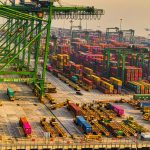
From containerised imports arriving at Port Botany and the Port of Melbourne, to bulk exports departing from Port Hedland and Newcastle, shipping companies enable the movement of goods across oceans, regions, and industries. Without them, Australia’s mining sector, agricultural exports, retail supply chains, and medical logistics would simply not function.
Shipping companies in Australia operate within a complex ecosystem involving ports, customs authorities, freight forwarders, terminal operators, and international shipping alliances.
Core Operational Structure of Shipping Companies
At their core, shipping companies manage vessels, routes, schedules, and cargo capacity. However, modern operations go far beyond moving ships from one port to another.
Most shipping companies operate through a layered structure:
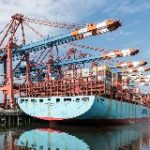
Fleet management, covering container ships, bulk carriers, tankers, and specialised vessels
Route planning and scheduling, aligned with global trade lanes and port congestion data
Cargo booking and documentation, including bills of lading, manifests, and compliance records
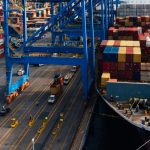
Port coordination, working with stevedores, terminal operators, and harbour authorities
Regulatory compliance, both domestic and international
In Australia, these operations must align with national frameworks governed by the Australian Maritime Safety Authority (AMSA), the Department of Infrastructure, and biosecurity controls enforced by the Department of Agriculture, Fisheries and Forestry.
Major Australian Ports and Their Strategic Importance
Shipping operations in Australia are heavily shaped by geography and port infrastructure.
Key container ports include:
Port of Melbourne
Port Botany (Sydney)
Port of Brisbane
Fremantle Port
These ports handle the majority of consumer goods, machinery, electronics, and manufactured imports.
Bulk and resource-driven ports such as Port Hedland, Dampier, Newcastle, and Gladstone serve mining and energy exports, including iron ore, coal, and liquefied natural gas. Shipping companies operating in these regions often specialise in bulk carriers and long-term charter contracts rather than containerised freight.
Each port has different draft limits, berth capabilities, and operational constraints, which directly affect vessel selection and shipping schedules.
Domestic and Coastal Shipping Operations
While international trade dominates public attention, domestic shipping remains a critical component of Australia’s logistics landscape.
Coastal shipping connects major cities with remote and regional locations, particularly in Western Australia, Northern Territory, and parts of Queensland. These services support:
Remote community supply chains
Mining and infrastructure projects
Industrial equipment transport
Fuel and energy distribution
Domestic shipping companies must comply with Australian coastal trading regulations, including licensing requirements and crew standards, which differ significantly from international operations.
Integration With Freight Forwarders and Logistics Networks
Shipping companies rarely operate in isolation. In practice, they form part of a wider logistics network that includes freight forwarders, customs brokers, road and rail operators, and warehousing providers.
Freight forwarders act as intermediaries between shippers and shipping companies, managing cargo consolidation, route optimisation, and customs clearance. Shipping companies, in turn, focus on vessel operations and port-to-port transport.
This division of roles allows shipping companies to scale globally while maintaining operational efficiency at sea.
Regulatory and Compliance Environment
Operating in Australian waters requires strict adherence to safety, environmental, and biosecurity standards.
Shipping companies must comply with:
International Maritime Organization (IMO) conventions
Maritime Labour Convention requirements
Australian biosecurity laws
Environmental protection regulations related to ballast water and emissions
Failure to meet these standards can result in vessel задерж, fines, or exclusion from Australian ports. As a result, compliance management is a major operational priority for reputable shipping companies.
Digital Systems and Modern Shipping Operations
Today’s shipping companies rely heavily on digital platforms to manage bookings, track vessels, and communicate with ports and customers.
Key technologies include:
Vessel tracking and AIS systems
Electronic bills of lading
Port community systems
Predictive analytics for route optimisation
These systems improve transparency and reduce delays, especially in congested ports or during peak trade periods.
Why Understanding Shipping Operations Matters
For businesses importing or exporting goods, understanding how shipping companies operate provides practical advantages. It helps decision-makers evaluate transit times, assess risk, and communicate effectively with logistics partners.
For readers researching the industry, it reveals why shipping costs fluctuate, why delays occur, and how global events ripple through local supply chains.
Shipping companies are not just transport providers. They are strategic players in global commerce, operating within a tightly regulated, highly interconnected system that keeps Australia linked to the world.