The term shipping company is often used as a catch-all phrase. In reality, the industry is made up of highly specialised operators, each designed around specific cargo types, trade routes, and operational models.
Understanding these distinctions is essential for importers, exporters, logistics professionals, and anyone trying to make sense of freight pricing, transit times, and risk exposure. Not all shipping companies move cargo in the same way, and choosing the wrong type can create delays, compliance issues, or unnecessary costs.
Shipping companies generally differentiate themselves by cargo type, vessel design, service structure, and contractual model.
Container Shipping Companies
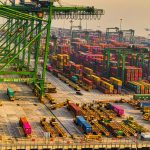
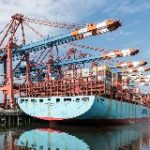
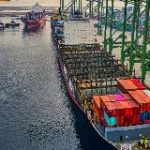
Container shipping companies are the most visible segment of the industry and dominate global trade by volume.
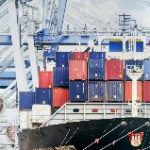
Their core service revolves around the transport of standardised containers, typically twenty-foot (TEU) and forty-foot (FEU) units, across fixed international routes. These companies operate large container vessels that move goods between major ports on scheduled services.
Core services include:
Port-to-port container transport
Scheduled liner services
Equipment supply, including dry containers and reefers
Cargo tracking and documentation
In Australia, container shipping companies play a central role in consumer imports, manufactured goods, automotive parts, electronics, and retail supply chains. Their operations are closely tied to ports such as Melbourne, Sydney, Brisbane, and Fremantle.
Bulk Shipping Companies
Bulk shipping companies specialise in unpackaged commodities transported in large quantities. These operations are structurally different from container shipping and are closely aligned with industrial and resource-driven economies.
Bulk carriers are designed to transport:
Iron ore
Coal
Grain
Fertilisers
Minerals and aggregates
Australia’s position as a major exporter of natural resources makes bulk shipping companies strategically critical. Ports like Port Hedland, Newcastle, and Gladstone exist largely to support bulk export operations.
Core services focus on:
Long-term charter agreements
High-capacity vessel operations
Port-specific loading and unloading coordination
Commodity-based logistics planning
Unlike container lines, bulk shipping companies often operate on bespoke contracts rather than fixed schedules.
Tanker Shipping Companies
Tanker shipping companies transport liquid cargoes, which require specialised vessels, strict safety controls, and environmental compliance.
These companies handle:
Crude oil
Refined petroleum products
Chemicals
Liquefied natural gas (LNG)
Liquefied petroleum gas (LPG)
Australia’s energy exports and fuel imports depend heavily on tanker operators, particularly in Western Australia and Queensland. Core services extend beyond transport to include cargo handling protocols, temperature and pressure control, and regulatory compliance with international maritime safety conventions.
Roll-On Roll-Off (RoRo) Shipping Companies
RoRo shipping companies specialise in wheeled cargo that can be driven on and off vessels without cranes.
Typical cargo includes:
Vehicles
Heavy machinery
Construction equipment
Agricultural machinery
These services are essential for automotive imports and large infrastructure projects. RoRo shipping companies focus on secure deck configurations, cargo lashing systems, and efficient port turnaround times.
Breakbulk and Project Cargo Shipping Companies
Not all cargo fits into containers or bulk holds. Breakbulk and project cargo shipping companies serve industries that move oversized, heavy, or irregular freight.
Their core services include:
Transport of large industrial components
Infrastructure and mining equipment logistics
Custom lifting and stowage solutions
Coordination with specialised ports and terminals
These shipping companies often work closely with engineers, port authorities, and on-site project managers to manage complex cargo movements.
Coastal and Regional Shipping Companies
Coastal shipping companies operate within national waters and focus on domestic freight movement.
In Australia, these services support:
Their operations are shaped by coastal trading regulations, vessel crew requirements, and regional port infrastructure. While less visible than international shipping lines, coastal operators are essential for economic continuity outside major metropolitan centres.
Core Services Across All Shipping Company Types
Despite their differences, most shipping companies share several foundational services:
Vessel operation and maintenance
Cargo documentation and compliance
Port and terminal coordination
Schedule and capacity management
Risk and safety management
What varies is how these services are delivered, the level of specialisation involved, and the industries they serve.
Why This Classification Matters
Understanding the types of shipping companies clarifies why freight costs differ, why some cargo requires longer lead times, and why certain routes are more reliable than others.
For businesses, this knowledge supports better decision-making when selecting logistics partners. For industry observers, it reveals how global trade is structured beneath the surface.
Shipping companies are not interchangeable. Each type exists because global commerce demands precision, scale, and expertise across vastly different cargo and trade environments.